
e-Transport - Road transport costing & transport procurement
🎯 Learning objectives
After completing this combined self-study package, participants will be able to:
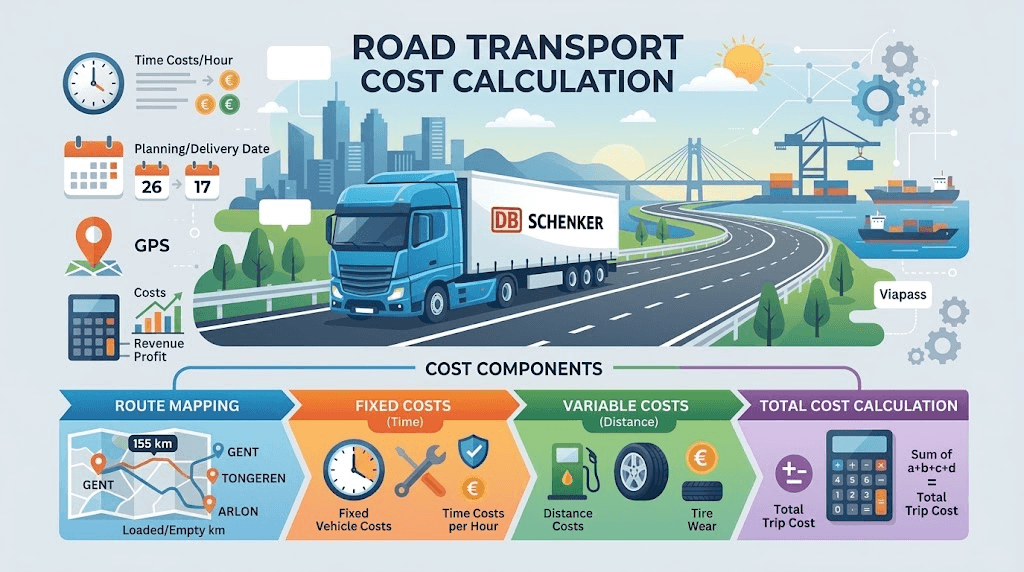
Calculate cost structures & trip prices
- Distinguish direct, indirect, fixed and variable operating costs in road transport.
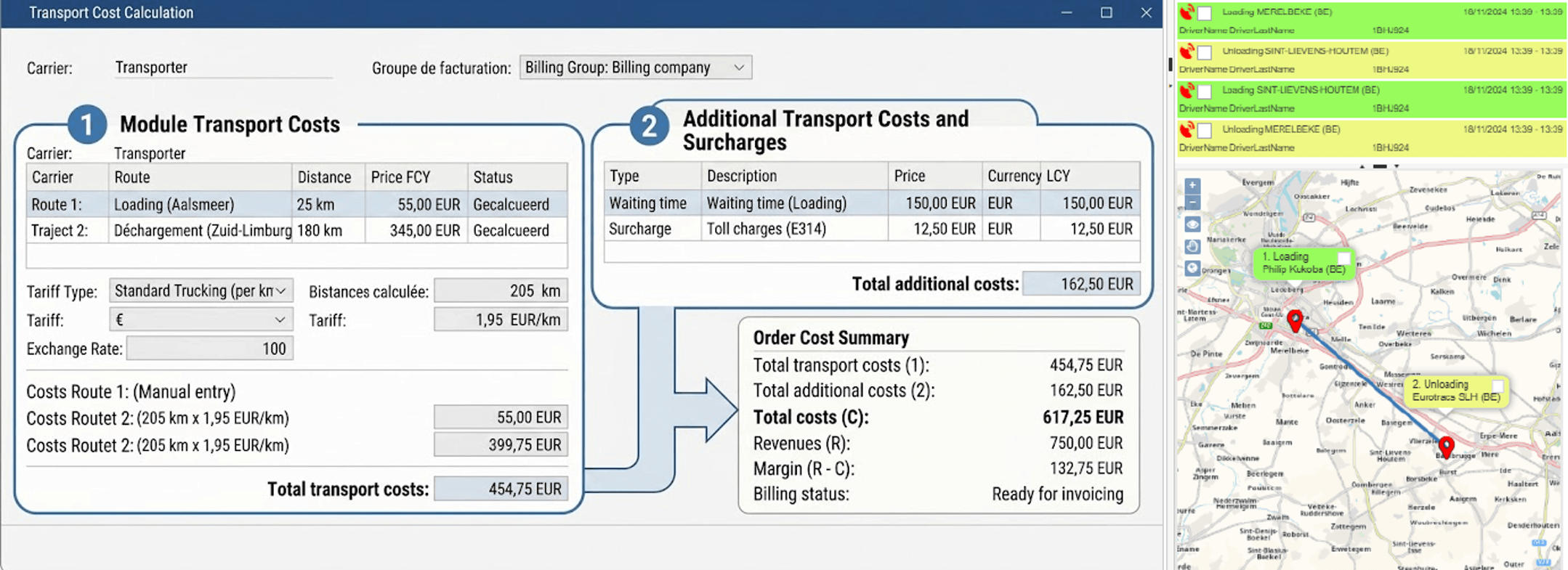
- Assess and calculate the chargeable distance, operating time, standing time and distance coefficient of a transport assignment correctly.
- Use different calculation approaches, such as costs per hour, per kilometre or per load unit, to produce a substantiated, profitable quotation.
Apply conditions of carriage & tariff rules
- Calculate the relationship between actual weight, volumetric weight and loading metres (LDM), and apply it to different shipment types.
- Analyse and interpret conditions of carriage, such as those of Schenker Landtransport, in relation to liability, surcharges, ADR/dangerous goods and customs services.
- Prepare loads according to the correct packaging and labelling requirements, including SSCC labels, to prevent damage claims and refusals.
Procure transport strategically & tactically
- Weigh the advantages and disadvantages of own-account transport versus outsourcing and determine the appropriate level of collaboration: 1PL, 2PL, 3PL or 4PL.
- Carry out structured internal and external analysis to support a strategic procurement plan.
- Establish and manage a complete tendering process, from a clear scope of work and vendor rating to Service Level Agreements (SLAs).
- Manage and evaluate carriers against concrete Key Performance Indicators (KPIs), such as punctuality, damage incidents and invoice accuracy.
