
e-Transport - Maritime transport

🎯 Learning objectives
After completing this combined self-study package, participants will be able to:
- Distinguish between and analyse modes of transport by water:
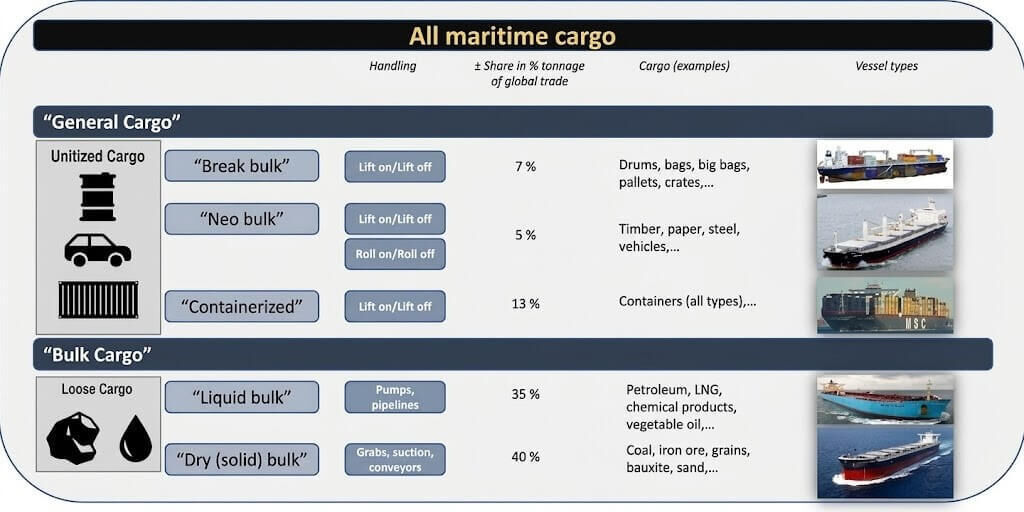
Explain the differences, characteristics and applications of ocean shipping (Deep Sea), coastal shipping (Short Sea) and inland waterway transport (Inland Shipping), including a market and SWOT analysis of transport by water.
- Manage the life cycle of a maritime shipment:
Understand and plan the entire operational process of a maritime shipment, from preparation in the seller's warehouse to final delivery to the buyer (door-to-door, door-to-port, port-to-door and port-to-port).
- Apply Incoterms and select containers correctly:
Select the appropriate Incoterms 2020 for maritime and intermodal transport and make informed choices about container types (such as 20-foot TEU versus 40-foot FEU, In Gauge versus Out of Gauge) and service levels (FCL/LCL, CY/CFS).
- Identify the roles in the logistics chain:
Describe the specific tasks, functions and interactions of all parties in the chain, including the shipper, freight forwarder, ship agent, stevedore/cargo handler, shipping line, pilot and customs authorities.
- Interpret and use transport documents correctly:
Apply knowledge of essential shipping and transport documents, including the Bill of Lading (and variants such as negotiable, straight and sea waybill), the Mate's Receipt, shipping notes, cargo manifests and customs documents (such as ENS).
- Calculate and assess rates, surcharges and liability:
Understand pricing structures (liner terms, basic freight, box/commodity rates) and surcharges (BAF, CAF, THC, demurrage/detention), assess shipping lines' statutory obligations and liability (Hague-Visby Rules, VGM), and understand the importance of additional cargo insurance, including general average.
- Solve practical inland waterway and coastal shipping problems:
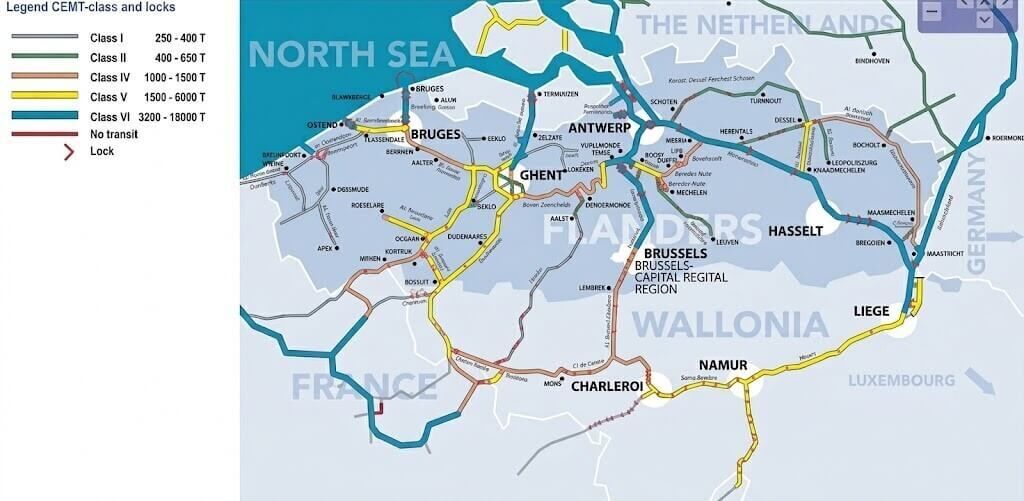
Apply knowledge of CEMT classes, waterways and specific regulations (such as CMNI and inland waterway chartering legislation) through practical exercises and case studies.
