e-Transport - Rail transport
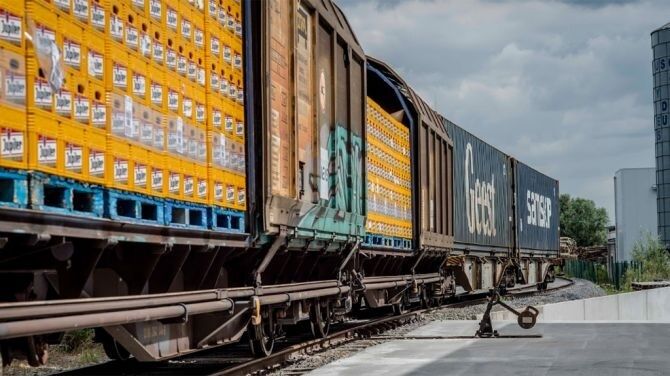
🎯 Learning objectives
After completing this combined self-study package, participants will be able to:
Understand the rail sector and its market structure
- Explain the structure and organisation of the Belgian and European rail market, including the roles of Infrabel, NMBS/SNCB and private rail operators.
- Analyse the advantages and disadvantages of rail transport compared with other modes, including sustainability, capacity and flexibility.
Apply the legal framework and documentation
- Understand the legal framework for international rail transport (COTIF/CIM).
- Interpret a CIM consignment note correctly and understand the liabilities of the parties involved.
Manage a rail transport operation
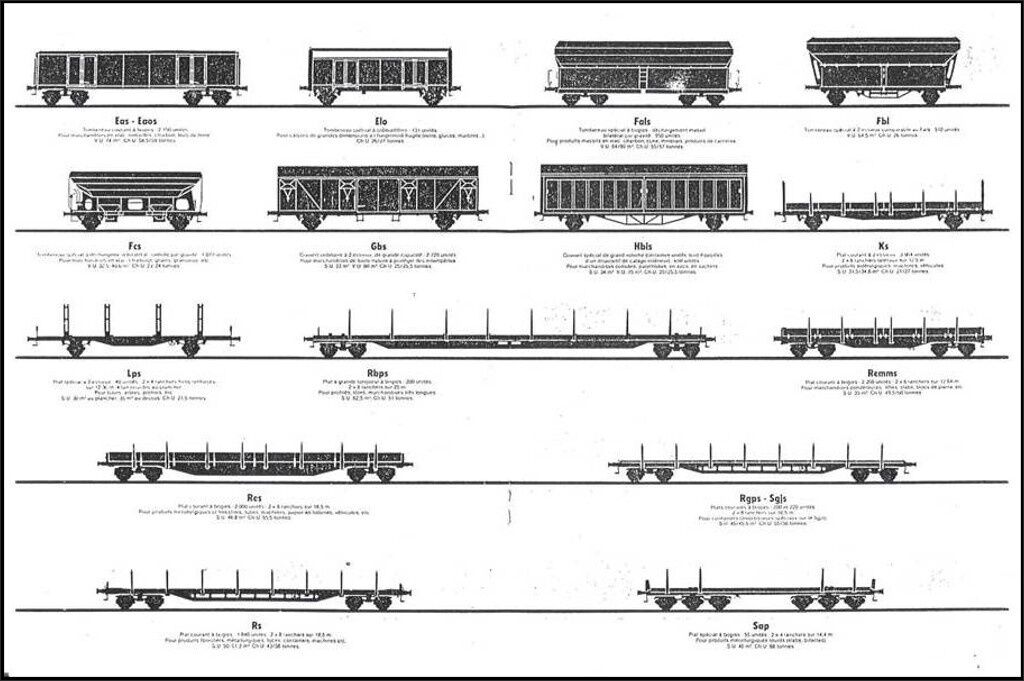
- Select suitable wagon types and transport concepts, such as block trains, shuttles and single-wagonload transport, based on the goods to be carried.
- Describe the steps for booking, positioning, loading, securing and inspecting wagons under RIV rules.
Recognise intermodal concepts and networks
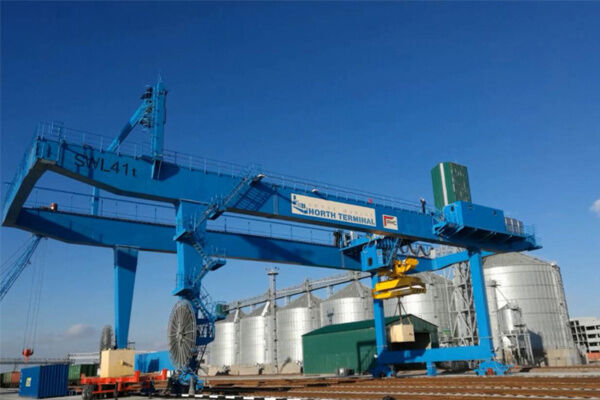
- Distinguish different transshipment techniques, both horizontal and vertical, and types of loading units, including containers, swap bodies and semi-trailers.
- Identify the main European rail corridors, including TEN-T and Eurasian Silk Routes, and the impact of technical bottlenecks, such as different track gauges.
